Korea vs European Planetary Gearboxes — Technical Comparison Framework for Procurement Engineers

DIN 5
Same Standard — Both Origins
Per Unit
EP-Series Tested — Stamped Value
~65%
EP-FAD P0 vs EU Premium Price
5–10d
EP Stock Lead Time vs 4–8 wk EU
8
EP Series vs 2–4 EU (per brand)
C1–C10
Universal Motor Adapter — EP Only

Procurement Framework

The Real Question Is Not Where the Gearbox Is Made — It Is What the Specification Actually Guarantees
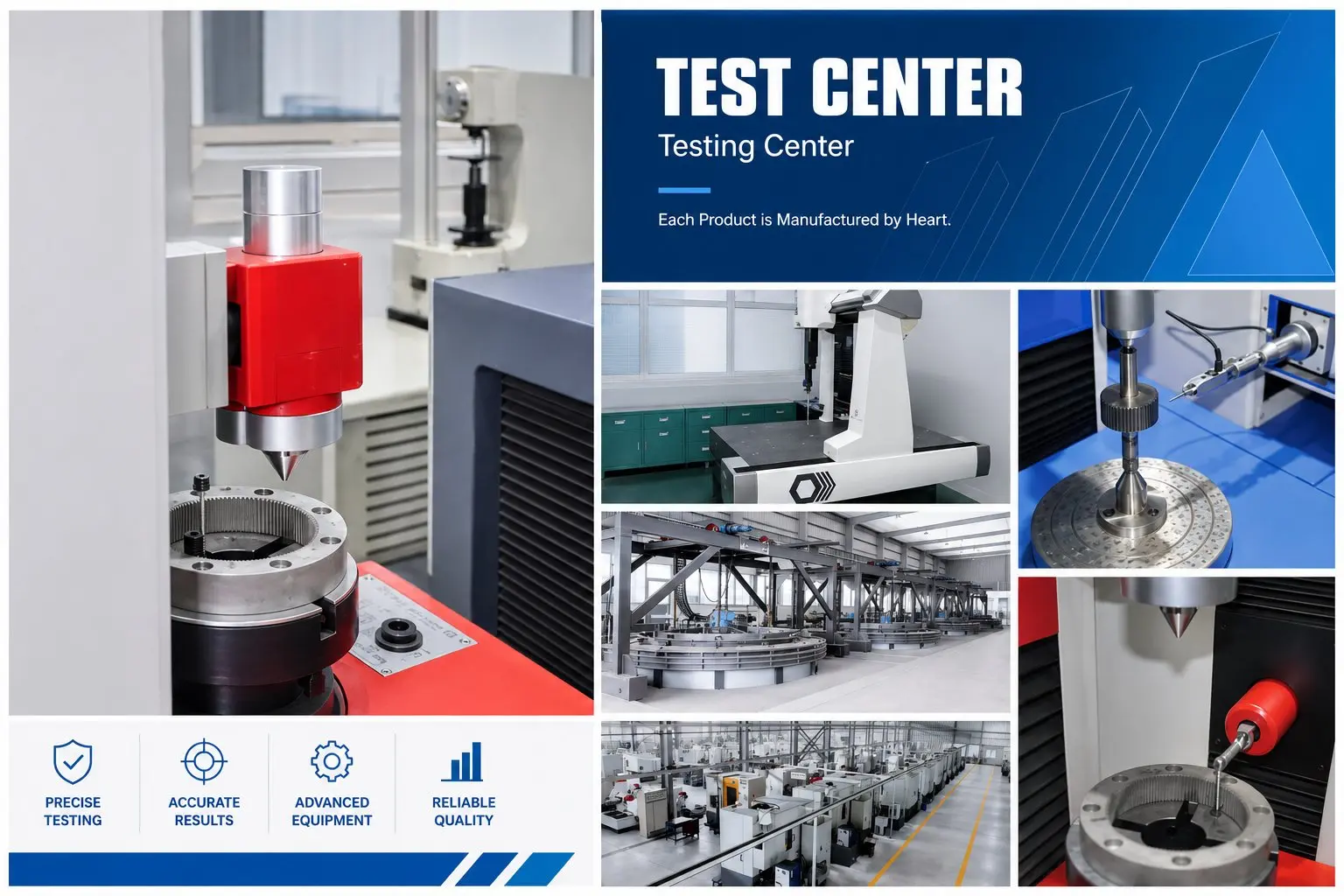
Korea Ever-Power test centre — individual backlash measurement and IP65 pressure testing for every EP-series planetary gearbox unit before shipment

Korea Ever-Power test centre, Ansan-si, Gyeonggi-do. Individual backlash measurement and IP65 pressure decay testing is performed on every EP-series unit before shipment — the test result is stamped on the nameplate and the certificate is available on request. This per-unit testing protocol is a specific procurement differentiator, not a marketing claim.

Procurement engineers comparing precision planetary gearboxes from Korea and Europe typically frame the question as: “Is a Korean gearbox as good as a German one?” This framing produces an unproductive debate because it mixes objective technical specifications with subjective quality associations. The more useful procurement question is: “What does each supplier’s specification actually guarantee — in writing, verifiable, auditable — and where do those guarantees differ?”

Korea Ever-Power does not manufacture gearboxes identical to Neugart PLFN, Apex AF/AFR, or Stöber PFQE. Each manufacturer has developed its own gear geometry, housing design, and production methodology. What Korea Ever-Power EP-series does share with European premium gearboxes is the gear accuracy standard: DIN Class 5 profile-ground gears, the same standard that European manufacturers use and that defines the tooth form accuracy underpinning precision backlash performance and slow wear rate. The DIN standard is objective and numerical — a gear that meets DIN Class 5 in Korea meets DIN Class 5 in Germany. The gear accuracy certificate is verifiable by any accredited gear measurement laboratory.

Where Korea Ever-Power EP-series and European premium gearboxes genuinely differ — beyond price and lead time — is in two procurement-visible areas: the depth of per-unit testing documentation, and the motor adapter architecture. These differences have engineering consequences that are explained in this comparison. Where European manufacturers have genuine advantages that EP-series does not currently match, those are noted as well. This comparison is written for an engineer who already knows what P0, DIN Class 5, L10, and S5 mean, and needs a factual procurement basis for supplier selection — not a marketing brochure.

🔬
The Verifiable Central Claim
Every significant claim in this comparison is verifiable: order a sample unit from each supplier, measure it, and compare the documentation you receive. The central claim is this: Korea Ever-Power EP-FAD P0 ships with the actual measured backlash value stamped on the nameplate (for example, “0.78 arc-min”) and an individual unit IP65 pressure test certificate. Most European premium gearboxes of equivalent grade ship with a grade-range stamp (“P0 ≤1 arc-min”) and a batch IP test certificate. This difference in documentation depth is not a performance difference — both products achieve P0 grade — but it is a difference in traceability and procurement verification capability. Any engineer who places a sample order from both suppliers can confirm this within two weeks.

Eight-Dimension Procurement Scorecard — Korea Ever-Power EP-Series vs European Premium

The following scorecard compares Korea Ever-Power EP-series against European precision gearbox manufacturers (Neugart, Apex Dynamics, Stöber) on eight dimensions that procurement engineers typically specify. The Verdict column reflects the technical evidence, not a marketing preference. Where the comparison is genuinely equal, it is marked as parity. Where either supplier has a real advantage, it is stated with the specific evidence that supports the verdict.

Procurement Dimension Korea Ever-Power
EP-Series
European Premium
Neugart / Apex / Stöber
Verdict Evidence / How to Verify
Gear accuracy class DIN Class 5, 5-axis CNC profile-ground ring and planet gears. Gear accuracy certificates available on request. DIN Class 5, profile-ground. Neugart PLFN, Apex AF, Stöber PFQE all rated DIN Class 5 for precision grades.
PARITY
Same standard
Request gear accuracy inspection report from both suppliers. DIN 3962 Class 5 tolerances are the same regardless of manufacturing country. Verify by independent CMM measurement on a sample unit.
Per-unit backlash documentation Actual measured value stamped on nameplate (e.g. “0.78 arc-min” for P0). Individual unit test certificate available. Enables wear tracking and precise servo compensation. Grade stamp on nameplate (e.g. “P0 ≤1 arc-min”). Individual measured value not typically provided. Some EU suppliers offer measured value as a premium add-on service.
EP ADVANTAGE
Documentation depth
Order one P0 unit from each supplier and compare the nameplate. Korea EP stamp will show a specific value (0.7–1.0 arc-min range). EU stamp will show “P0” or “≤1 arc-min”. The performance is equivalent; the traceability is different.
IP rating test method Individual pressure decay test on every unit. Test record available per-serial-number. Eliminates the marginal-seal population that batch testing leaves in the shipped product. IP65 or IP67 rated. Test method varies by manufacturer — some test every unit, most test by batch sampling. Individual test certificates not standard on most EU precision lines.
EP ADVANTAGE
Individual vs batch
Request IP test method documentation from both suppliers. Ask: “Is every shipped unit individually pressure tested, and is an individual unit test certificate available per serial number?” Korea EP answer: yes. Most EU suppliers: no (batch sampling standard).
Motor adapter architecture C1–C10 universal: one motor qualification covers all 8 EP series. Grade upgrade (P1→P0) or series upgrade (FPG→FAD) requires no motor re-qualification. Brand-specific adapter systems. Neugart adapters are series-specific. Apex and Stöber adapters are similarly not universally cross-compatible between series within the same brand.
EP ADVANTAGE
Universal vs series-specific
Ask both suppliers: “If I upgrade from series A to series B with the same motor, do I need new adapter hardware and re-qualification?” Korea EP: no hardware change, same C-code. EU brands: typically yes, new series-specific adapter required.
Design life (precision inline series) EP-FAD: 30,000 hr S1 at rated torque. EP-FAB: 20,000 hr S1. Based on L10 bearing life at rated load, ISO 281. Neugart PLFN: 20,000 hr. Apex AF: 20,000 hr (standard), 30,000 hr available on some sizes. Stöber PFQE: 20,000 hr. Based on same L10 methodology.
EP ADVANTAGE
30k vs 20k for inline
Confirm from each supplier’s published datasheet. EP-FAD 30,000 hr S1 for the round-flange inline series exceeds most EU competitors’ 20,000 hr for equivalent precision series. Same ISO 281 L10 methodology — directly comparable.
Series range per brand 8 series covering all configurations: inline, right-angle, direct-insert, belt-pulley, economy. All share C1–C10 motor adapter and same documentation standard. Neugart: ~6 series. Apex: ~8–10 series. Stöber: 4–6 series. Each brand covers similar configurations but with brand-specific adapter systems between series.
PARITY
Both cover full range
Both suppliers cover inline, right-angle, and economy configurations. Korea EP’s 8-series breadth with unified C1–C10 motor adapter provides a BOM consolidation advantage when multiple series are used on one machine.
Unit price (P0 grade, same spec) Approximately 60–70% of European premium at equivalent frame size and backlash grade. The difference reflects manufacturing cost structure, not quality compromise. 100% benchmark. EU precision gearbox pricing reflects German/European labour rates, distributor margins, and established brand premium. Quality is genuine but so is the pricing.
EP ADVANTAGE
30–40% cost saving
Request quotes from both for identical spec: EP-FAD / Neugart PLFN-060, ratio 10:1, P0 grade. Market surveys from Korean and European OEM engineers consistently show 30–40% lower pricing for Korea EP at equivalent specification.
Standard lead time 5–10 business days for standard frame/ratio/grade from Korea stock. Special ratios and options: 10–20 days. Air freight to Europe or North America: 3–5 days additional. Neugart, Apex, Stöber: typically 4–8 weeks for standard product, longer for special options. Some distributors carry limited stock. EU→Asia shipping: 3–5 weeks sea, 1–2 weeks air.
EP ADVANTAGE
Stock vs make-to-order
Request lead time quotes from both for urgent delivery. Korea EP’s stocked inventory model produces faster response for programme-critical deliveries. Korean manufacturers ship to Asian OEMs in days vs. EU’s weeks for the same specification.
Brand recognition in EU/US specifications Korea Ever-Power is not yet a named brand in most European or North American machine OEM approved vendor lists. Qualification as a new supplier requires standard incoming inspection and testing. Neugart, Apex, Stöber are pre-approved on most EU and North American machine OEM approved vendor lists. No supplier qualification cost or schedule delay.
EU ADVANTAGE
Established approval
For OEMs supplying to end customers with existing EU brand specifications, transitioning to Korea EP requires a supplier qualification process (typically 4–12 weeks for incoming test). Factor this into the project timeline. Korea EP provides test certificates and material declarations to support qualification.
European application engineering network Korea Ever-Power application engineering support is provided centrally from Ansan-si (Korea) and via email/video conference. No European field application engineering offices currently. Neugart, Apex, Stöber have European sales and application engineering offices in Germany, UK, Benelux, and Nordics. Face-to-face application engineering available for large projects.
EU ADVANTAGE
Local presence
For projects that require regular in-person application engineering support, on-site testing, or local inventory management, EU brands have a genuine advantage. Korea EP’s response time via email is typically same-day; in-person European support requires scheduling with a Korean visit or local representative.

Scorecard:
EP Advantage: 5
Parity: 2
EU Advantage: 2
The EU advantages are real and matter for specific situations (existing approved vendor lists, European application engineering presence). The EP advantages are also real and verifiable.

European brand names in this comparison (Neugart, Apex Dynamics, Stöber) are used for identification purposes. Korea Ever-Power makes no claim that its products are identical to or approved substitutes for named European products in any specific application. Engineers should independently verify all specifications for their specific application before making a supplier decision.

The Key Differentiator

Why Per-Unit Testing Documentation Is the Most Important Technical Differentiator — Not the Most Visible One
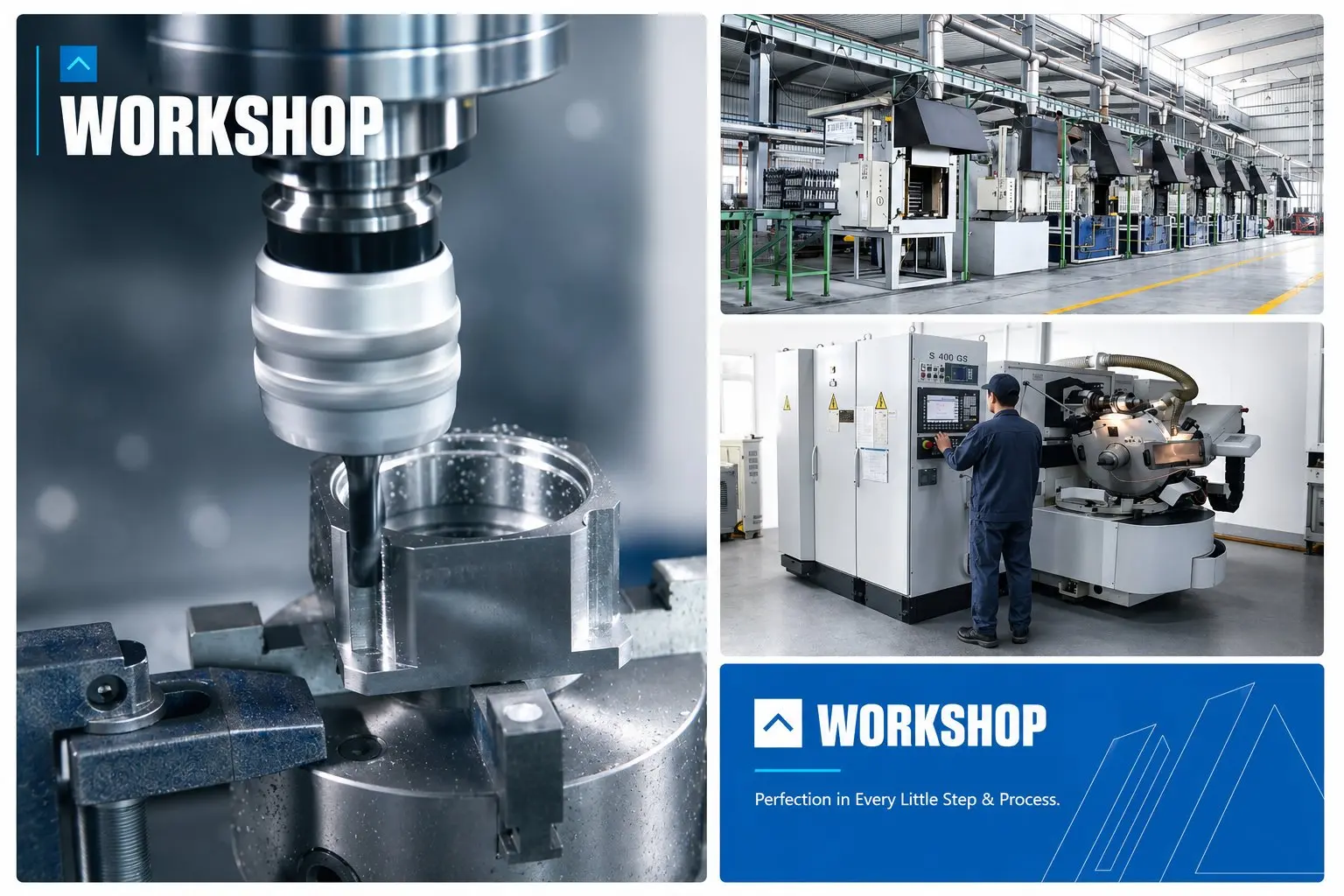
Korea Ever-Power manufacturing facility — 5-axis CNC profile grinding and individual backlash measurement production line for EP-series P0 and P1 precision planetary gearboxes

Korea Ever-Power nameplate
EP-FAD-090-20-P0
SN: 2026-03-0042
BL: 0.78 arc-min
IP65: ✓ 2026-03-15
Actual measured value stamped — this unit specifically, not the grade range
Typical EU premium nameplate
PLFN-060-20
SN: 2410-004521
P0 (≤1 arc-min)
IP65 class
Grade range only — no individual measured value

The most frequently cited Korea vs European gearbox comparison is gear accuracy class — and as the scorecard shows, this comparison ends in parity: both are DIN Class 5. The comparison that matters more for an OEM’s engineering and quality management process is the depth of per-unit testing documentation, because that documentation is what determines how precisely the machine commissioning engineer can programme servo backlash compensation, how the quality engineer tracks wear during service intervals, and how the CE technical file can document the specific performance of the installed unit.

When a Korean OEM engineer commissions a robot axis with an EP-FAD P0 unit, they set the servo controller’s backlash compensation parameter to “0.78 arc-min” — the exact value stamped on the unit they are installing. When the same engineer commissions an axis with a European P0 unit, they set the compensation to either the grade midpoint (0.5 arc-min, optimistic) or the grade maximum (1.0 arc-min, conservative) — because the European unit’s nameplate shows only “P0 ≤1 arc-min.” The difference in positioning accuracy from this compensation difference is small — a fraction of the total positional error budget — but it is real, and it is the difference between a precisely calibrated system and a system calibrated to a grade range rather than a measured value.

The IP65 per-unit test produces a similar traceability difference. A machine tool builder who certifies their machine to CE Machinery Directive 2006/42/EC needs to document the environmental protection rating of each installed component. A Korea EP individual unit pressure test certificate allows the technical file to state: “Gearbox SN 2026-03-0042, IP65 confirmed by pressure decay test performed 2026-03-15, test record attached.” A batch test certificate from a European supplier allows the technical file to state: “IP65 rated class” — the documentation is compliant, but the traceability depth is different. For OEMs whose customers perform detailed incoming inspection or who supply to industries with strict component traceability requirements (medical devices, nuclear instrumentation, defence), the per-unit certificate is the specification that matters.

💡
A Note of Fairness on EU Per-Unit Testing
Some European premium gearbox manufacturers do offer per-unit measured value documentation as a service option — it is available for Neugart PLFN and Apex AF products, though typically at additional cost and longer lead time. The distinction being made here is about the standard offering: Korea Ever-Power includes per-unit measured backlash stamp and individual IP test record as standard, included in the catalogue price. For EU manufacturers where this is an option rather than a standard, the procurement engineer must specifically request and price it. If both are priced with per-unit measured documentation, the documentation quality comparison becomes parity — and the remaining differentiators are price, lead time, and motor adapter architecture.

Price-Performance Analysis

The 30–40% Price Delta — Why It Exists and What It Does and Does Not Mean
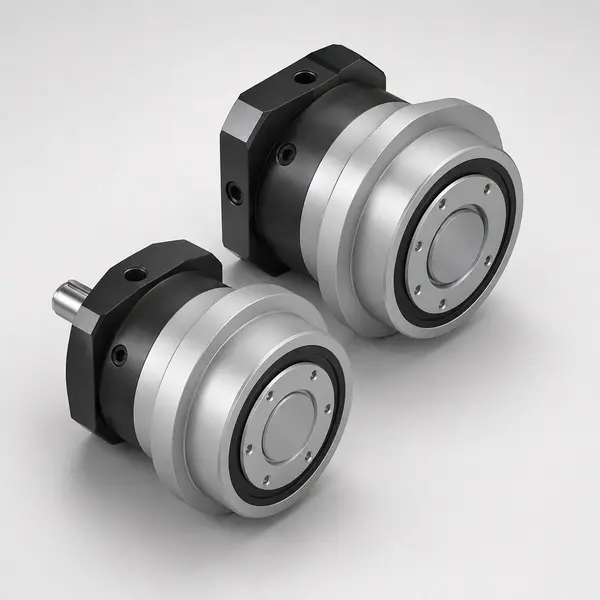
EP-FAD series precision planetary gearbox — DIN Class 5 profile-ground gears, same specification as European premium at 30-40% lower price

Relative Price Index (P0, 090 frame, ratio 10:1)
EP-FAD P0 (Korea)
~65
Neugart PLFN (Germany)
100
Apex AF (Taiwan/EU dist.)
~90
Relative index — not list prices. Actual pricing varies by distributor, quantity, and region. Verify by requesting concurrent quotes for identical specifications.

A 30–40% price difference for nominally equivalent technical specifications is large enough that a procurement engineer is right to ask: “What is being cut to achieve this price?” The honest answer is: manufacturing cost structure, not specification. The factors that drive European premium gearbox pricing — German engineering labour rates, European materials cost, distributor margin structures in Western markets, and the overhead of maintaining European field application engineering networks — are all real costs that produce real value, but they are not manufacturing quality costs in the sense of affecting the gear accuracy, backlash grade, or IP rating of the physical product.

Korea’s manufacturing cost structure for precision gear products has converged significantly with European quality levels since the early 2000s. Korean manufacturers supply DIN Class 5 gears to European automotive OEMs and Tier 1 suppliers who require full IATF 16949 process documentation — the same quality management framework that European gearbox manufacturers operate under. Korea Ever-Power’s Ansan-si facility uses 5-axis CNC gear grinding machines of the same generation as those in German gear manufacturing facilities. The process is the same; the labour and overhead costs are lower.

The practical consequence for a machine OEM specifying gearboxes for a new product line is straightforward arithmetic. A 6-axis robot with EP-FAD P0 gearboxes (4 joints) and EP-FAB P0 (2 base joints) at 65% of EU premium pricing saves approximately 35% on the gearbox BOM — which on a gearbox BOM of €3,000–€8,000 per robot unit translates to €1,050–€2,800 per robot. On a production run of 200 robots, this is €210,000–€560,000 in component cost reduction, achieved without any change in the gearbox specification that the end customer sees. The saving is material at the BOM level; the qualification cost (incoming test, documentation review) is typically €5,000–€15,000 for the initial product line and zero for subsequent uses of the same supplier qualification.

📋
What the Price Comparison Does Not Cover
The 30–40% price saving is a unit-cost comparison. It does not automatically reflect the total cost of ownership, which includes supplier qualification cost, incoming inspection cost, warranty cost, and the cost of any field failures. Korea Ever-Power’s warranty terms and failure support process should be evaluated as part of the procurement decision — not assumed to be equivalent to European suppliers’ long-established warranty infrastructure in Western markets. OEMs supplying to customers with existing EU brand specifications should factor in the timeline and cost of transitioning the specification, which may offset some or all of the unit-cost saving on the first product generation. These are legitimate procurement considerations, not arguments against qualification — simply variables that should be quantified before the procurement decision is made.

Verification Protocol

How to Run Your Own Side-by-Side Verification — A Six-Step Incoming Inspection Protocol

Any claim in the scorecard above can be verified by ordering one unit from each supplier and performing the following six incoming inspections. This protocol takes approximately three working days with standard metrology equipment available in most machine OEM quality labs. The protocol is written assuming both units are P0 grade, 090 mm frame, ratio 10:1 — adjust for your specific comparison specification.

Six-Step Incoming Inspection — Korea EP vs European Unit
1.
Nameplate documentation comparison
Photograph both nameplates. Note: (a) Does the Korea EP nameplate show a specific measured backlash value (e.g. “0.78 arc-min”) or only a grade code? (b) Does the EU nameplate show a specific value or only the grade code (“P0 ≤1 arc-min”)? (c) Is there an IP65 test date on the Korea EP nameplate? (d) Is there a corresponding date on the EU nameplate? Expected result: Korea EP will show specific measured value + IP test date; EU will show grade code only. This is the documentation traceability test.
2.
Backlash measurement — compare to nameplate
Fix the output shaft with a precision torque wrench set to 2% of rated torque (approximately 2–4 N·m for 090 frame units). Set a high-resolution angle measurement device (optical encoder or laser measurement system) to zero. Reverse the torque direction and record the angular displacement at the same 2% torque level. This is the measured backlash. Compare to: (a) the Korea EP nameplate value — the measurement should be within ±0.15 arc-min of the stamped value. (b) The EU grade specification — the measurement should be ≤1.0 arc-min. Both comparisons should confirm compliance. This verifies that both units achieve P0 grade and validates the Korea EP nameplate accuracy.
3.
IP65 pressure test — verify both units
Using a pressure decay test system (apply 0.5 bar positive pressure to each gearbox via an appropriate fitting, monitor pressure over 30 seconds, record any pressure drop). Any pressure drop exceeding the test specification indicates a seal defect. For comparison: both units should pass. The expected finding is not a failure — it is the documentation question: Korea EP will have an individual unit test record you can cross-reference to the serial number; EU unit will have a batch test certificate referencing the production lot, not the individual serial number. This tests documentation traceability, not seal quality — both should seal correctly.
4.
Gear accuracy confirmation — surface roughness check
If gear accuracy validation is required for the technical file, request gear inspection reports from both suppliers (Korea EP provides these on request; EU suppliers typically provide on request for project-specific orders). Alternatively, if the gearbox can be opened for inspection (this voids warranty and IP certification — only appropriate on a dedicated test unit), measure tooth surface roughness Ra on the ring gear. DIN Class 5 profile-ground gears should show Ra ≤0.4 µm. Both units should confirm Class 5. This verifies the central parity claim in the scorecard.
5.
Motor adapter compatibility — C-code vs EU adapter
Test: take the motor you qualified with the EU gearbox adapter. Attempt to install it on the Korea EP C-code adapter ring.
If the motor’s pilot diameter matches the C-code adapter pilot bore (which it will for all standard servo motors within C1–C10 range), the adapter ring will fit. The Korea EP C-code adapter for that motor is the same physical part whether used with EP-FAD or EP-FAB or EP-FPG. Repeat the test with a different EP series: install the same motor on EP-FAB using the same C-code adapter ring. This demonstrates the C1–C10 universality claim directly.
6.
Noise and vibration — run-in test at rated speed
Mount both units on a test rig with a calibrated servo motor and a rated torque load. Run at rated input speed (e.g. 3,000 rpm) for 30 minutes. Measure: (a) noise level at 300 mm (ISO 1683 method), (b) housing temperature at equilibrium, (c) vibration amplitude at the housing. Both units should show similar noise levels (DIN Class 5 helical gears in the same frame size produce similar transmission error and noise). Expected finding: comparable noise, temperature, and vibration. Any significant difference should be investigated further before qualification. This confirms that the DIN Class 5 parity claim translates to equivalent operating performance, not just on-paper specification.

Korea Ever-Power supports this incoming inspection protocol by providing: gear accuracy inspection reports (on request), per-unit IP test records (on request), per-unit backlash measurement certificates (included), and application engineering consultation for any step that produces unexpected results. Contact [email protected] to request the documentation package for a sample order qualification.

Decision Framework

Four Procurement Scenarios — When EP-Series Is the Right Choice and When It Is Not

The scorecard and verification protocol above give the technical basis for comparison. The following four scenarios translate that comparison into procurement decisions for the situations machine OEM engineers actually face.

Scenario A — New Machine Design, Asian Market OEM

Korean or Asian OEM designing a new robot, automation machine, or precision instrument for the Asian market. No existing EU brand specification requirement from end customers. Qualifies suppliers through its own incoming test process.

Recommendation: EP-series. Full technical parity on DIN Class 5 gear accuracy; per-unit backlash and IP documentation advantage; C1–C10 motor adapter universality; 30–40% BOM cost saving; 5–10 day stock lead time. No existing vendor list constraints. Qualification cost is a one-time investment offset by long-term unit savings.

Scenario B — Existing Machine with EU Brand Specified by Customer

OEM supplying to a European or North American end customer whose maintenance specification names Neugart, Apex, or Stöber by brand. The OEM cannot substitute without customer approval.

Recommendation: EU brand for this generation; begin EP qualification process in parallel. Substituting a named brand without customer approval risks commercial consequences that exceed the unit cost saving. Use the verification protocol above to build a comparison data package. Present the qualification results and pricing to the customer as an approved alternative for the next product generation.

Scenario C — European OEM with Internal Supplier Selection Authority

European OEM selects its own component suppliers for machines it designs and markets under its own brand. End customers see the machine, not the gearbox supplier. Has an established EU premium supplier but is reviewing costs under margin pressure.

Recommendation: Run the verification protocol. If the six-step incoming inspection confirms equivalence (expected outcome), the BOM saving is substantial and the EU field engineering support difference is manageable via email/video. The main risk is lead time for urgent orders — consider maintaining a 6–8 week safety stock buffer to mitigate the Korea→Europe shipping time differential on emergency orders.

Scenario D — Medical Device or Defence-Adjacent Application

OEM designing a product under MDR, IEC 60601, or equivalent where component supplier qualification is audited by a notified body and changes require formal change control.

Recommendation: EP-series may be appropriate, with upfront qualification investment. Korea EP’s per-unit documentation (measured backlash certificate, individual IP test record) is actually more suitable for MDR technical files than EU batch documentation. The qualification cost is higher (notified body audit, FMEA documentation) but the ongoing unit cost saving over a multi-year production run often justifies it. Consult Korea Ever-Power application engineering for MDR documentation support package availability.

Complete EP-Series Technical Guide Series
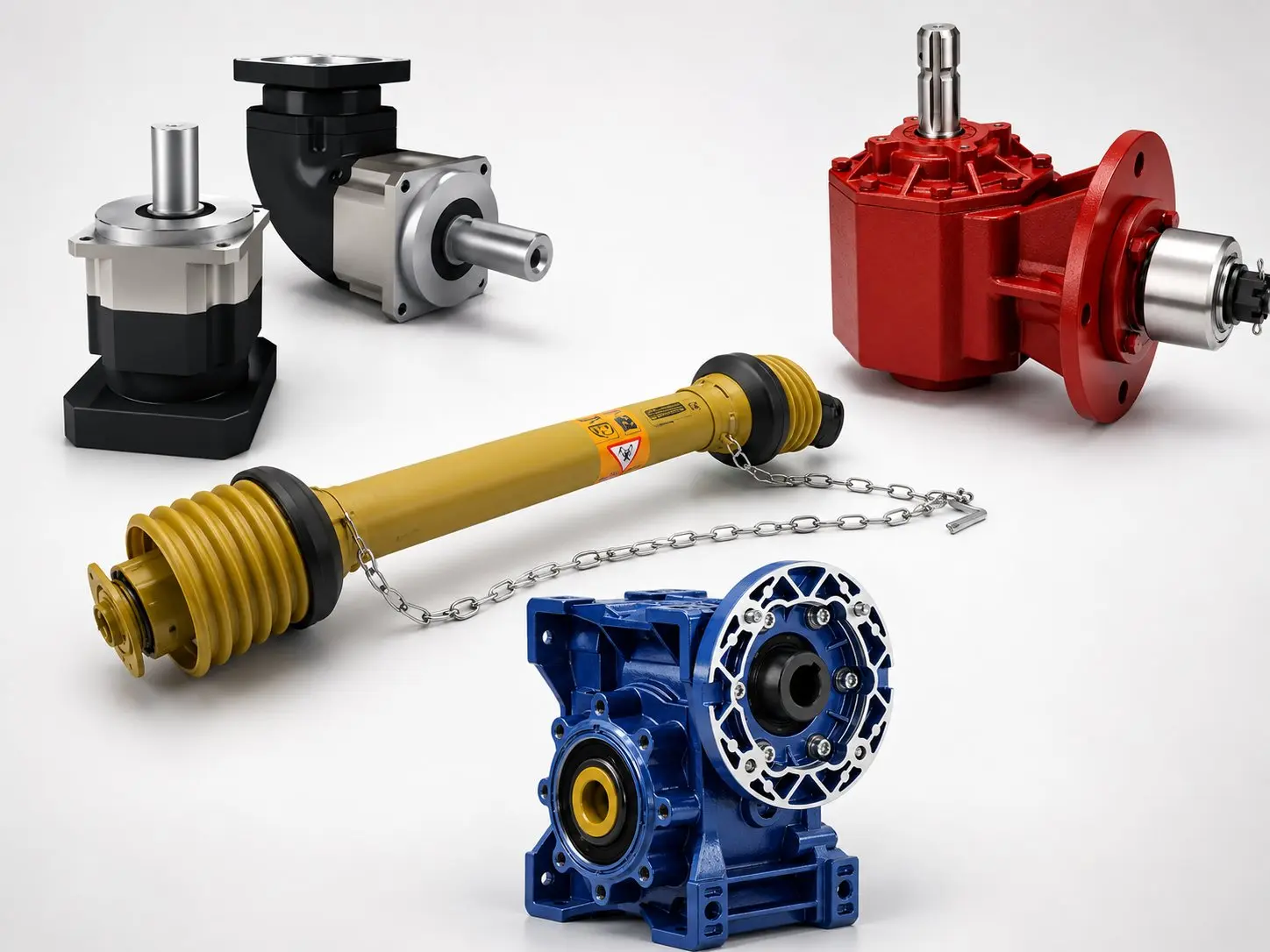
Korea Ever-Power complete EP series planetary gearbox range — FAB FAD FADS FAL FALR FABR FADR FPG FPGA all series for comparison with European Neugart Apex Stöber

This comparison article is the conclusion of Korea Ever-Power’s complete technical guide series. The series covers: backlash grade selection (EP-FAD P0/P1/P2), C1–C10 motor adapter system, NYOGEL vs CASTROL LMX lubricant selection, EP-FADS vs EP-FAD direct-insert comparison, special ratios i=21/31/61/91, service life S1/S5 duty cycles, and application guides for eleven industries. Browse the full EP series product catalogue. For related mechanical components: cvjointdriveshaft.com. For worm reducer comparison context: worm-reducers.xyz. For agricultural gearbox information: agriculturalgear-boxes.com.

Frequently Asked Questions — Korea vs European Gearbox Procurement

Is Korea Ever-Power ISO 9001 or IATF 16949 certified?
Korea Ever-Power’s Ansan-si facility operates under an ISO 9001 quality management system. IATF 16949 certification status should be confirmed directly with Korea Ever-Power at the time of supplier qualification, as certification status can change. For procurement engineers who require IATF 16949 documentation as part of their supplier qualification process, contact [email protected] with your specific documentation requirements — Korea Ever-Power will confirm what is available and what can be provided to support your qualification dossier. The key quality documentation items relevant to gearbox procurement — gear accuracy inspection reports, per-unit backlash test records, IP pressure test certificates, material certifications, RoHS declarations — are available independently of the QMS certification status.
Does Korea Ever-Power have CE / EC Declaration of Conformity for EP-series gearboxes?
Planetary gearboxes are “partly completed machinery” under EU Machinery Directive 2006/42/EC — they require incorporation documentation rather than a full CE Declaration of Conformity, because the gearbox alone is not a completed machine and cannot bear a CE mark independently. Korea Ever-Power provides an Incorporation Declaration (Einbauerklärung) for EP-series gearboxes, which states that the gearbox is intended for incorporation into machinery and identifies the applicable essential requirements met. This is the correct documentation for Machinery Directive compliance — a full CE Declaration of Conformity for the gearbox alone would be incorrect under the Directive. The machine builder’s CE Declaration covers the complete machine, incorporating the gearbox Incorporation Declaration as a supporting document. Contact Korea Ever-Power for the current Incorporation Declaration template and any application-specific additions needed for your CE technical file.
Has Korea Ever-Power been independently tested against Neugart or Apex by a third party?
Korea Ever-Power is aware of informal side-by-side comparisons performed by Korean OEM engineering teams that have shared the results with Korea Ever-Power through their procurement discussions. These comparisons consistently confirmed DIN Class 5 gear accuracy parity, equivalent or superior backlash performance at P0 grade, and equivalent IP seal performance on individual tested units. Korea Ever-Power does not currently have a published independent third-party comparative test report covering EP-series vs named European competitors. The verification protocol in this guide — six steps performable by any OEM with standard metrology equipment — is Korea Ever-Power’s recommended approach for procurement engineers who want to validate the comparison claims independently, because it uses the OEM’s own equipment and methods rather than relying on supplier-provided data. Korea Ever-Power will support any OEM that wants to perform this verification by providing sample units, documentation, and application engineering time.
What is Korea Ever-Power’s warranty policy?
Korea Ever-Power EP-series gearboxes carry a 12-month warranty from the date of shipment against defects in materials and workmanship under normal operating conditions within the specified ratings. The warranty covers bearing fatigue failures within the rated duty and load profile; seal failures on individually IP-tested units; and gear accuracy non-conformance discovered at incoming inspection. The warranty does not cover damage from overspeed, over-torque, incorrect installation, chemical attack outside the specified lubricant compatibility range, or operation in conditions beyond the rated specifications. For warranty claims, the per-unit serial number and nameplate documentation is required — which is one reason Korea Ever-Power’s per-unit stamping and test records are valuable beyond commissioning: they also enable precise warranty tracking. Confirm current warranty terms and regional support arrangements at [email protected] at the time of procurement — warranty terms may be updated.
Can Korea Ever-Power supply gearboxes already installed on a motor (motor-gearbox unit)?
Korea Ever-Power supplies gearboxes as standalone components with the C-code adapter ring for the specified motor — the motor is not included. This is the standard supply model for precision planetary gearboxes in industrial automation: the machine builder or system integrator assembles the motor-gearbox combination using the supplied adapter ring and the installation procedure described in the C1–C10 adapter guide. Pre-assembled motor-gearbox units (where the gearbox is assembled onto a specific motor model and shipped as a unit) are available as a custom service on request for volume orders. For the majority of OEM applications, the separate supply model is preferred because it allows the OEM to use its existing motor inventory and qualify motors and gearboxes independently. Contact Korea Ever-Power if your specific programme requires pre-assembled units — lead time and pricing for this configuration depend on the motor model and order volume.

Korea Ever-Power EP-Series — Technical Content Summary

This comparison article concludes Korea Ever-Power’s 18-article technical content series for the EP-series planetary gearbox product line. The series covers backlash grade selection, C1–C10 motor adapter architecture, lubricant selection (NYOGEL 792D vs CASTROL LMX), EP-FADS direct-insert geometry, special catalogue ratios (i=16/21/31/61/91), service life calculation (S1/S5 duty cycles, L10 bearing life), and application guides for eleven industries from CNC machining to precision agriculture. The central argument across all 18 articles is the same: the engineering basis for Korea Ever-Power EP-series performance claims is specific, numerical, and verifiable — DIN Class 5 gear accuracy, individual unit backlash measurement, individual IP pressure test, and ISO 281 L10 bearing life calculation. These are not marketing claims; they are specifications that any incoming inspection can confirm. For procurement engineers who want to continue their research after reading this comparison, Korea Ever-Power recommends the following sequence: (1) review the grade selection calculator in the P0/P1/P2 guide to confirm the required backlash grade for your specific application; (2) use the C1–C10 adapter guide to confirm motor compatibility with your servo motor fleet; (3) check the lubricant selection guide to verify temperature and chemical compatibility for your deployment environment; (4) check the service life guide to verify the selected series meets your duty cycle and life requirements at your specific operating torque; (5) request a sample order and run the six-step incoming inspection protocol described in this article. Korea Ever-Power provides supporting documentation at each step — gear accuracy reports, backlash certificates, IP test records, and Incorporation Declaration — within the standard order and quotation process.

Request a Sample Order for Your Side-by-Side Verification
Korea Ever-Power supports procurement qualification with: sample units for incoming inspection (standard and special ratios), gear accuracy reports (DIN 3962 format), per-unit backlash measurement certificates and IP65 pressure test records, Incorporation Declaration for Machinery Directive CE technical files, RoHS material declarations, and application engineering consultation for any step in the qualification process. Contact [email protected] with your frame size, ratio, and backlash grade — sample order response within one business day.

Request Qualification Sample →

Editor: Cxm