Planetary Gearbox for Food & Beverage — IP69K, NSF H1, Stainless Housing and Hygienic Zone Selection Guide

IP69K
Pressure Washdown — Zone 1/2
NSF H1
Food-Grade Lubricant Option
316L
Stainless Housing — Custom Option
EHEDG
Hygienic Design Standard EU
CIP
Clean-in-Place 80–120°C
IP65
Standard EP — Zone 3/4/5

Engineering Context

Food Processing Is the Industry Where Standard Gearbox Specifications Are Not Enough — And Where the Wrong Choice Creates Regulatory Risk
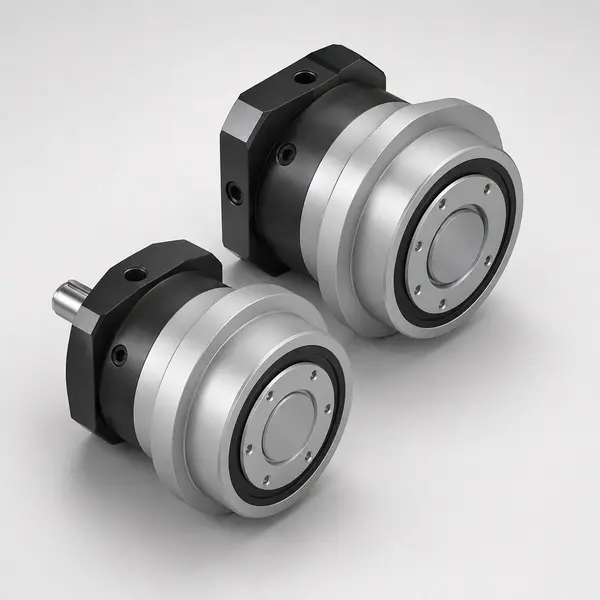
EP-FAD series planetary gearbox for food and beverage processing — available with IP69K washdown sealing, NSF H1 food-grade lubricant, and 316L stainless steel housing for hygienic zone applications

EP-FAD series planetary gearbox — available with food-processing options: IP69K pressure washdown sealing, NSF H1 food-grade lubricant substitution, 316L stainless steel housing for Zone 1/2 product-contact areas, and electropolished output shaft for Ra ≤0.8 µm hygiene compliance. Standard aluminium IP65 units suit Zone 3–5 non-contact installations.

Food and beverage manufacturing places requirements on drive components that no other industry matches for regulatory severity. A gearbox that fails in an automotive assembly line causes downtime. A gearbox that fails in a pharmaceutical filling machine triggers a quality event. A gearbox that leaks lubricant into a food product — or that harbours bacteria in a surface crevice that is not fully cleaned during the CIP cycle — can trigger a product recall, a regulatory inspection, and potential criminal liability for the machine OEM and the food producer. This is why food industry gearbox specification is a compliance activity as much as an engineering activity.

The compliance framework for food processing equipment is built around hygiene zone classifications. The European standard (EHEDG — European Hygienic Equipment Design Group) and the North American standard (3-A Sanitary Standards) both classify production areas into zones based on the level of food contact risk: from Zone 1 (direct food contact, maximum hygienic specification) to Zone 5 (utility areas with no food contact, no specific hygiene requirement). The correct gearbox specification for any food processing application depends entirely on which zone the gearbox is installed in — an error in zone classification is an error in specification that can pass undetected until a regulatory audit or a contamination event.

This guide provides the technical basis for selecting the correct EP-series gearbox configuration for each food processing zone, with the hygienic zone compliance matrix as the primary reference tool. It also explains the specific engineering reasons behind each compliance requirement — IP69K vs IP65, NSF H1 vs NYOGEL 792D, 316L stainless vs aluminium — so that the selection is based on engineering understanding rather than checkbox compliance. The food and beverage industry represents one of the fastest-growing sectors for servo automation: the combination of increasing food safety regulation, rising labour costs in food processing, and the technological maturation of food-safe robot and machine components has accelerated the adoption of servo-driven automation in food plants that a decade ago relied almost entirely on pneumatic and mechanical drives. EP-series planetary gearboxes — with the correct zone-specific options — meet the full range of food processing requirements from outer packaging palletising (Zone 5, standard specification) to direct product contact filling and portioning (Zone 1, maximum hygienic specification), making them applicable across the complete food factory automation scope.

Important: Standard NYOGEL 792D and CASTROL LMX Are Not NSF H1
As noted in Korea Ever-Power’s lubricant selection guide, neither NYOGEL 792D (standard precision series fill) nor CASTROL LMX (standard economy series fill) carries NSF H1 food-grade lubricant registration in their standard formulations. For Zone 1 and Zone 2 food processing installations where NSF H1 compliance is required regardless of seal integrity, the standard lubricant must be substituted with an NSF H1-registered alternative. This is a production-level specification — it must be ordered as an option, it cannot be changed in the field after the gearbox is sealed. If your food processing application is in a zone requiring H1 compliance, specify the NSF H1 lubricant option at the time of order. Contact Korea Ever-Power to confirm current H1 lubricant option availability and the applicable surcharge and lead time for each series and frame size.

Hygienic Zone Compliance Matrix — EP-Series Configuration by Food Processing Zone

The matrix below identifies the correct EP-series gearbox configuration for each food processing zone, based on EHEDG Zone classification (European Hygienic Equipment Design Group) and equivalent 3-A Sanitary Standards zones. Find your zone in the row headers, then read across to identify which EP configuration provides compliance. ✓ indicates compliant under normal operating conditions within the stated zone. ✗ indicates not compliant — risk of regulatory non-conformance or contamination event. ⚠ indicates conditional compliance — review the stated condition before specifying.

Zone / Area Type Standard EP
Aluminium IP65
NYOGEL 792D
EP + IP69K
Aluminium
NYOGEL 792D
EP + IP65
Aluminium
NSF H1 lube
EP + IP69K
Stainless 316L
NSF H1 lube
Zone definition & typical applications
Zone 1
Direct product contact
EHEDG Type EL / 3-A Class AA
Direct food contact zone. Requires stainless 316L housing, NSF H1 lubricant, IP69K seal, Ra ≤0.8 µm electropolished output shaft, and EHEDG-certified hygienic design. Applications: direct food conveyor drives, portioning/slicing machine axes, dough handling robot joints.
Zone 2
Indirect contact / splash zone
EHEDG Type EL / 3-A Class A
Splash/indirect contact zone. High-pressure washdown with chemicals. IP69K + stainless + H1 required for full compliance. ⚠ Aluminium + H1 is conditionally acceptable if verified that no product contact with housing is possible and chemical attack by CIP agents on aluminium is excluded. Applications: filling machine nozzle axis drives, conveyor transfer table drives near product lines.
Zone 3
Non-contact / wet area
EHEDG Type L / 3-A Class B
Non-contact wet/washdown area. Standard high-pressure washdown, no direct food contact. IP69K required. ⚠ Standard IP65 conditionally acceptable if low-pressure water only (no CIP chemical spray, no hot water >80°C); verify with plant hygiene manager. Applications: outer packaging conveyors, carton handling, pallet wrapping axes near wet areas.
Zone 4
Dry non-contact area
EHEDG Type L / general factory
Dry processing area, no food contact. Standard IP65 is sufficient. No washdown, no chemical exposure at gearbox. Applications: outer packaging lines, palletising robots, warehouse conveyors adjacent to food areas but not in them.
Zone 5
Utility / plant infrastructure
No specific hygiene requirement
Utility area. Standard industrial specification applies. No food safety constraints specific to gearbox selection. IP65 is adequate. Applications: compressor drives, refrigeration machinery, building HVAC, utility conveyors with no food contact path.
CIP / SIP cycle
Chemical wash 80–120°C
All zones where CIP reaches gearbox
CIP wash reaches gearbox. Standard aluminium attacked by NaOH (2%) and HNO₃ (1%) used in CIP cycles. ⚠ IP69K aluminium conditionally acceptable if CIP chemicals confirmed compatible with the aluminium alloy and protective coating. Stainless 316L is CIP-inert — only correct specification when CIP contact is confirmed.

Legend:
Compliant under stated zone conditions
Conditionally compliant — review specific condition before specifying
Not compliant — regulatory non-conformance or contamination risk
Zone classification based on EHEDG guidelines and 3-A Sanitary Standards equivalents. Confirm zone classification with your plant hygiene manager or food safety authority before specifying.

This matrix is a reference guide, not a regulatory certification. EHEDG and 3-A Sanitary Standards compliance of complete machinery must be certified by the machine OEM and verified by a notified body where required. Korea Ever-Power provides component-level documentation (material certificates, lubricant NSF H1 registration, IP rating test records) to support the machine OEM’s compliance documentation. Contact [email protected] for current availability of stainless housing, IP69K, and H1 lubricant options for specific series and frame sizes.

Technical Explanation

IP69K vs IP65 — Why the Two Numbers Mean Completely Different Things in a Food Factory
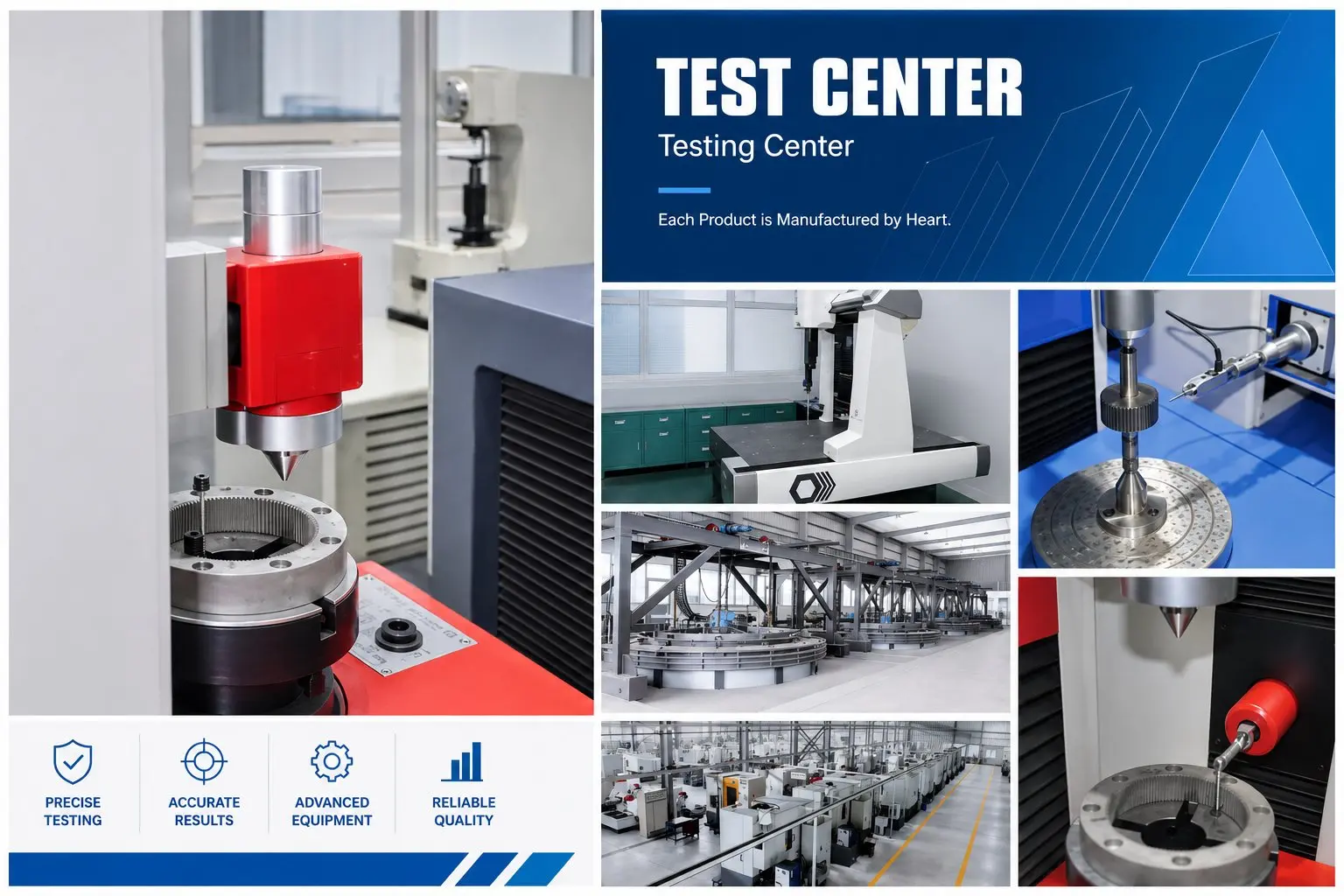
Korea Ever-Power test centre — individual IP65 pressure decay testing for every EP-series gearbox, with IP69K upgrade option for food processing washdown environments

IEC 60529 IP Rating Comparison
IP65 — Dust-tight + water jet
Water jet from any direction at 12.5 litres/min, 30 kPa. Low-pressure, cool water. Duration: 3 min. This is a garden hose, not a factory washdown gun.
IP69K — Pressure/steam washdown
Water jet: 80°C, 100 bar, 14–16 litres/min, at 10–15 cm distance from all angles. This is the industrial washdown gun used in food factories. IP65 seals fail under this test.

The Physical Difference Between IP65 and IP69K Washdown

IP65 is tested with water from a low-pressure nozzle producing 12.5 litres per minute at 30 kilopascals. IP69K is tested with an 80°C water jet at 100 bar from a distance of 10–15 cm. These are not variations of the same test — they are completely different mechanical conditions. An IP65-rated seal that passes the low-pressure test can fail the IP69K test because the combination of high temperature (which softens elastomers), high pressure (which forces water past insufficiently compressed seals), and short nozzle distance (which produces a coherent jet rather than a spray) is fundamentally more demanding than anything IP65 addresses.

In a food factory, the standard cleaning protocol for food contact zone equipment uses a hot-water pressure washer at 80–120°C and 60–100 bar. Cleaning staff apply this jet at close range to all surfaces of all machines, including drive components, for the duration of the cleaning cycle (typically 15–30 minutes per day). A gearbox sealed to IP65 will allow water ingress under these conditions — the seal faces that comfortably resist a garden hose do not resist a directed 100-bar hot water jet. This ingress contaminates the gear lubricant, accelerates bearing wear, and eventually allows bacteria or chemicals to accumulate inside the sealed housing. More critically, the water that enters the housing during washdown can exit through a different seal path during the next heating cycle, potentially contaminating the product with contaminated lubricant or CIP chemicals.

The IP69K upgrade for EP-series gearboxes involves upgraded seal materials (higher-durometer elastomers, increased seal compression), additional labyrinth barriers at the shaft entry points, and validation of the complete assembly under the IP69K test protocol. The upgrade is a production-level option — the sealing system is different from standard IP65 — not a field modification. For food processing Zone 2 and Zone 3 installations where high-pressure hot washdown occurs, IP69K is the minimum required IP rating, not an optional enhancement.

💡
The Pressure Washdown Test — Ask Before You Specify IP65
Before specifying IP65 for a food processing installation, ask your food plant contact: “What pressure and temperature does the washdown equipment use?” If the answer is “hot water over 50°C” or “100 bar pressure gun,” the installation requires IP69K. If the answer is “cold water, low-pressure spray,” IP65 may be sufficient for Zone 3 and below. Most food plants in the dairy, meat processing, and beverage sectors use hot high-pressure washdown throughout their production areas — IP65 is not the correct specification for any gearbox that will be in the path of routine daily cleaning. Dairy processing facilities specifically follow strict ATP monitoring protocols that require confirmation of equipment cleanliness after each wash — a failed wash (because IP65 seals let water in and retain bacteria) will fail the ATP test and trigger an immediate food safety response.

The Temperature Factor — Why Hot Washdown Specifically Threatens IP65 Seals

The combination of high pressure and high temperature in IP69K washdown creates a seal failure mechanism that does not occur under IP65 conditions. The elastomers used in standard IP65 shaft seals (NBR — nitrile butadiene rubber) have a glass transition behaviour: below approximately 60°C, NBR maintains its designed hardness and compression set, providing an effective seal against the pressures it was designed for. At 80°C, the same elastomer is softer and more compliant — the increased compliance reduces the contact pressure between the seal lip and the shaft, and allows the high-pressure water jet to force past the lip at pressures that the seal would successfully resist at room temperature. This is not a seal failure in the sense of a defect — it is the designed operating range of the elastomer being exceeded by the food factory washdown conditions.

IP69K-rated seals address this by using higher-durometer elastomers (FKM — fluoroelastomer, Viton) that maintain their hardness at 80°C, higher lip contact pressure (achieved through increased spring force or interference fit design), and labyrinth barriers that pre-reduce the water pressure before it reaches the primary seal lip. The combination ensures that even at 100 bar and 80°C, the seal maintains its designed contact pressure and excludes water ingress. The IP69K standard tests this combination under the most demanding possible conditions — rotating shaft, all orientations, sustained jet application — and a seal assembly that passes the IP69K test at these conditions provides a meaningful performance margin above the food factory’s actual washdown conditions.

There is a secondary benefit to IP69K sealing that food factory operators frequently report: IP69K seals also provide better retention of lubricant under washdown. An IP65 seal that allows water ingress will also allow some lubricant egress under the same pressure differential — a small amount of grease displaced to the housing exterior is both a product contamination risk (in food zones) and an indicator of seal degradation. IP69K seals designed to retain integrity under 100 bar external pressure are correspondingly better at retaining the sealed lubricant under the same pressure differential. For food applications where any lubricant egress is a compliance concern, IP69K sealing provides this additional assurance without any additional specification action.

Application Scenarios

Six Food & Beverage Applications — Zone Classification, Configuration, and Engineering Rationale

Food and beverage production spans a wide range of gearbox requirements — from the direct food contact servo axes in a filling machine (Zone 1, maximum specification) to the outer packaging conveyor drives in an adjacent warehouse (Zone 4/5, standard specification). The six scenarios below cover the most common gearbox applications in food processing, with the zone classification, required EP configuration, and the engineering reason for each specification decision.

01 — Filling Machine Nozzle Axis Drive
Zone 1 — Direct product contact
Zone 1
IP69K + 316L + NSF H1
EP-FADS P0

Filling machine nozzle axes rotate and position filling heads over containers. The nozzle mechanism is in direct contact with the product fill path — any lubricant leak from the nozzle drive would contaminate the product directly. Zone 1 maximum specification: stainless 316L housing, NSF H1 lubricant, IP69K sealing, electropolished Ra ≤0.8 µm output shaft to prevent bacterial colonisation at the shaft seal entry. EP-FADS P0 is the correct series for this application: the direct-insert configuration eliminates the adapter plate crevice that would otherwise trap product residue and complicate cleaning validation in a Zone 1 environment.

Specification: EP-FADS P0, frame 047–060, stainless 316L housing option, IP69K, NSF H1 lubricant, electropolished shaft, Ra ≤0.8 µm. CE documentation: EHEDG Zone 1 material certificate + H1 lubricant registration + IP69K test record.

02 — Meat/Cheese Portioning Robot
Zone 1/2 — Wet product contact
Zone 1–2
IP69K + 316L + NSF H1
EP-FAD/FADS P0

Portioning robots handle raw meat, fish, and dairy products. The robot arm operates in a wet environment with continuous product contact on the end-of-arm tooling and splash exposure at all joint drives. Dairy and meat processing facilities operate at ambient temperatures of 0–8°C (cold rooms) — a temperature range where NYOGEL 792D (−40°C rated) is fully operational but the standard H1-registered option must also be confirmed for cold-temperature performance. Daily washdown with hot caustic followed by acid rinse (pH 2–12 CIP cycle) requires 316L stainless housing throughout the arm. The robot’s wrist joints (J4/J5/J6) may require EP-FADS P0 for compactness if the tool path requires a tight wrist geometry.

Specification: EP-FAD/FADS P0, stainless 316L, IP69K, NSF H1. Cold room operation: confirm H1 lubricant cold-start performance to −5°C minimum. Stainless housing required for all joints in Zone 1/2.

03 — Beverage Bottling Conveyor Drive
Zone 2–3 — Wet non-contact
Zone 2–3
IP69K + Aluminium
EP-FAD P1

Beverage bottling conveyors transport filled bottles through rinsing, filling, capping, and labelling zones. The conveyor drives are not in direct contact with the product but are subject to routine hot washdown (80°C, 60–80 bar) at shift end. The drives do not require stainless housing if they are in Zone 3 (non-direct-contact) but IP69K is mandatory for the washdown resistance. Standard NYOGEL 792D lubricant is sealed and inert — no H1 specification required if the housing passes IP69K and no product contact path exists. EP-FAD P1 suits the continuous duty profile of conveyor drives at rated speed; the 30,000 hr S1 life covers the typical 15-year plant equipment lifetime.

Specification: EP-FAD P1 or EP-FPG P2, IP69K upgrade, aluminium housing, NYOGEL 792D standard (no H1 required for Zone 3). Confirm with plant hygiene manager that H1 is not mandated by quality policy regardless of zone classification.

04 — Bakery Dough Handling Robot
Zone 1–2 — Direct dough contact
Zone 1–2
IP69K + 316L + H1
High-temp tolerance

Bakery dough handling robots and depositing systems operate in environments with elevated ambient temperatures (oven zones 30–60°C ambient), steam from baking, and daily deep cleaning with steam sterilisation (SIP) at up to 120°C. The gearbox must tolerate both the elevated ambient temperature during production and the thermal shock of cold CIP water followed by hot steam SIP during cleaning. NYOGEL 792D’s +125°C rating handles the SIP temperature. The stainless 316L housing resists the caustic and acid CIP chemicals standard in bakery clean-down. NSF H1 lubricant is required because flour dust and dough can contact the gearbox housing, and any lubricant release into the product area would contaminate the bakery product with a non-H1 substance.

Specification: EP-FAD P0/P1, stainless 316L, IP69K, NSF H1, NYOGEL 792D base (H1 variant) for +125°C SIP tolerance. Check with Korea Ever-Power for availability of H1 variant at the required temperature rating.

05 — Pharmaceutical Packaging Line
Zone 1–2 — GMP cleanroom
GMP Zone
ISO Class 5–6
EP-FADS P0

Pharmaceutical packaging lines (vial filling, blister packaging, parenteral filling) operate in GMP cleanroom environments regulated under EU GMP Annex 1 or US FDA 21 CFR Part 211. These environments are not food zones in the EHEDG sense, but they share the requirement for zero particle emission and cleanable surfaces. EP-FADS P0 with NYOGEL 792D sealed and validated for ISO Class 5 particle emission (per the lubricant guide) is the correct specification for the precision robot joints in pharmaceutical packaging. For the filling machine axes themselves (direct product contact with parenteral preparations), stainless 316L housing + NSF H1 equivalent (US Pharmacopeia USP grade) lubricant is required.

Specification: EP-FADS P0, NYOGEL 792D (ISO Class 5 validated), IP65 standard for non-contact GMP zones. For direct product contact axes: 316L stainless + USP/NSF H1 lubricant. Annex 1 documentation: per-unit backlash certificate + IP test record + material declaration.

06 — Outer Packaging / Palletising
Zone 4–5 — No food contact
Zone 4–5
Standard IP65
EP-FAB / EP-FPG

Outer packaging conveyors, case erectors, and palletising robots operate in Zone 4 or Zone 5 — downstream of the food processing zone, handling sealed cartons and pallets. No food contact, no washdown with food-grade chemicals. Standard EP-FAB P1 for palletising robot base joints (high torque, IP65) and EP-FPG for economy conveyor drives is the correct specification. The food factory location does not impose food-grade requirements on Zone 4/5 equipment — this is a common over-specification that adds unnecessary cost to outer packaging lines. Confirm zone classification before upgrading specification beyond what the zone requires.

Specification: EP-FAB P1 (palletising robot base joints), EP-FAD P1 or EP-FPG Std (conveyor drives), standard aluminium IP65, NYOGEL 792D or CASTROL LMX per series. No stainless, no H1 required.

Materials Engineering

Why Standard Aluminium Housings Are Not Acceptable in CIP Zones — The Chemical Attack Mechanism
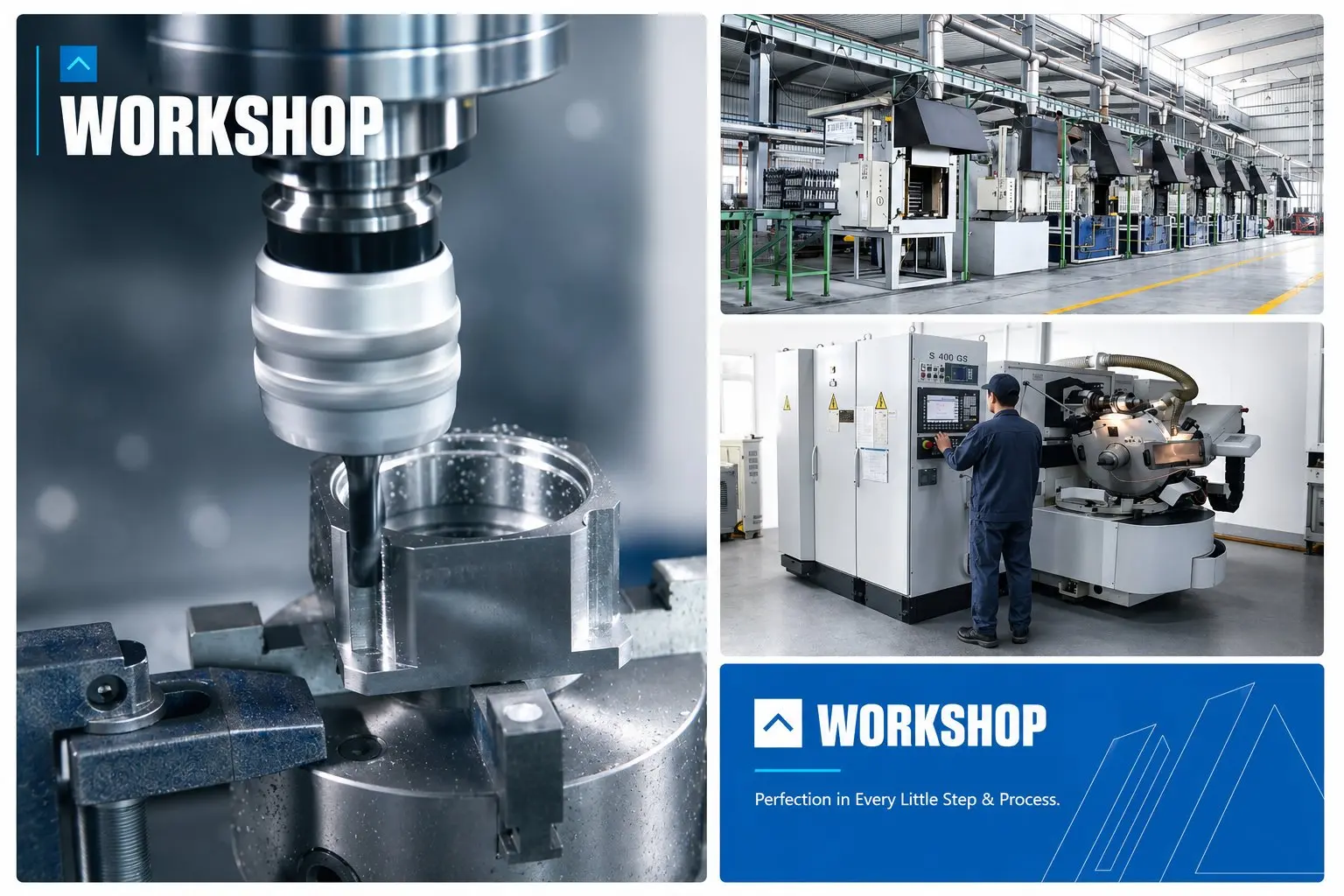
Korea Ever-Power planetary gearbox manufacturing — stainless steel 316L housing option for food and beverage Zone 1/2 applications requiring CIP chemical resistance

CIP Chemical Compatibility
NaOH 2% (caustic wash)

Al: ✗
316L: ✓
HNO₃ 1% (acid rinse)

Al: ✗
316L: ✓
Peracetic acid 0.2%

Al: ⚠
316L: ✓
H₂O₂ 0.5%

Al: ⚠
316L: ✓

The standard EP-series gearbox housing is aluminium alloy — the same material used in all other EP-series applications from CNC machining centres to agricultural robots. Aluminium is an excellent material for gearbox housings in industrial environments: lightweight, machinable to close tolerances, thermally conductive, and resistant to most industrial lubricants and mild chemicals. It is not, however, resistant to the alkaline and acidic cleaning chemicals used in food processing CIP cycles.

The primary CIP cleaning cycle in dairy and food processing uses a 2% sodium hydroxide (NaOH) caustic wash at 80°C, followed by a 1% nitric acid (HNO₃) rinse. Both NaOH and HNO₃ attack aluminium. Sodium hydroxide dissolves the aluminium oxide passive layer and then corrodes the base metal progressively — producing a powdery white aluminium hydroxide residue on the surface and, in severe cases, pitting corrosion that creates surface irregularities where bacteria can colonise. Nitric acid attacks aluminium more rapidly than the caustic, producing aluminium nitrate soluble contamination. In a food contact zone where the corroded housing surface is within the product splash path, this chemical attack produces both physical contamination (aluminium oxide particles in the product) and microbiological risk (pitted surface with bacterial harbourage).

316L austenitic stainless steel is resistant to both NaOH (2%) and HNO₃ (1%) at CIP operating temperatures. The “L” designation (low carbon, ≤0.03% C) is important — standard 316 (0.08% C) can sensitise at the grain boundaries during welding or exposure to elevated temperatures, creating chromium carbide precipitation that reduces corrosion resistance at the grain boundaries. 316L does not sensitise under normal CIP operating conditions and maintains its corrosion resistance throughout the equipment lifetime. EHEDG guidelines specify 316L (not 304 or standard 316) as the correct stainless grade for food contact zone equipment because of this sensitisation risk at welded joints and heat-affected zones.

The stainless 316L housing option for EP-FAD and EP-FAB series is a production-level specification that replaces the aluminium housing with a machined 316L stainless casting. The gear train, bearings, seals, and lubrication are identical to the standard aluminium unit — only the external housing material changes. This means the DIN Class 5 gear accuracy, P0/P1 backlash grade, IP69K sealing, and design life specifications are maintained in the stainless variant. The stainless housing is heavier than aluminium (316L density ~8,000 kg/m³ vs 2,700 kg/m³ for aluminium) — a consideration for robot arm designs where payload-to-weight ratio is specified. Contact Korea Ever-Power for current availability, dimensional drawings, and pricing for the 316L stainless housing option.

Surface Finish Ra — The EHEDG Requirement That Is Often Overlooked

EHEDG guidelines require that food contact surfaces achieve a surface roughness Ra ≤0.8 µm. This requirement exists because bacteria form biofilms — structured communities anchored to surfaces — in surface irregularities. Below Ra 0.8 µm, the surface features are too small for bacteria (typically 1–2 µm in size) to form stable anchored communities. Above Ra 0.8 µm, the recesses provide protected harbourage where bacteria survive standard CIP cleaning cycles, re-contaminating the product at the next production run. The standard machined aluminium surface of a gearbox housing produces Ra ~1.6–3.2 µm — above the EHEDG threshold. Standard machined stainless 316L achieves Ra ~0.8–1.6 µm. Electropolished stainless 316L achieves Ra ≤0.4 µm — significantly below the EHEDG threshold and the preferred specification for Zone 1 surfaces.

For the output shaft, the Ra requirement applies to the shaft surface within the food contact zone — specifically the area of the shaft that may contact food product, food packaging, or production equipment that in turn contacts food. The electropolished output shaft option for EP-FAD and EP-FADS achieves Ra ≤0.8 µm on the shaft surface for the full exposed length, and the electropolishing process simultaneously passivates the stainless steel surface, creating a thin chromium oxide layer that provides additional corrosion resistance and smoothness. This electropolished shaft option is specified separately from the stainless housing — it is possible to have an aluminium housing (Zone 3) with an electropolished output shaft (where the shaft tip enters a food contact zone) for applications where only the shaft tip penetrates Zone 1/2 while the gearbox body remains in Zone 3.

IP69K
Zone 2–3 Washdown
316L SS
Zone 1–2 CIP
NSF H1
Zone 1–2 Lubricant
Ra ≤0.8
µm EHEDG Shaft
C1–C10
Universal Motor Adapter

Related EP-Series and Technical Guides
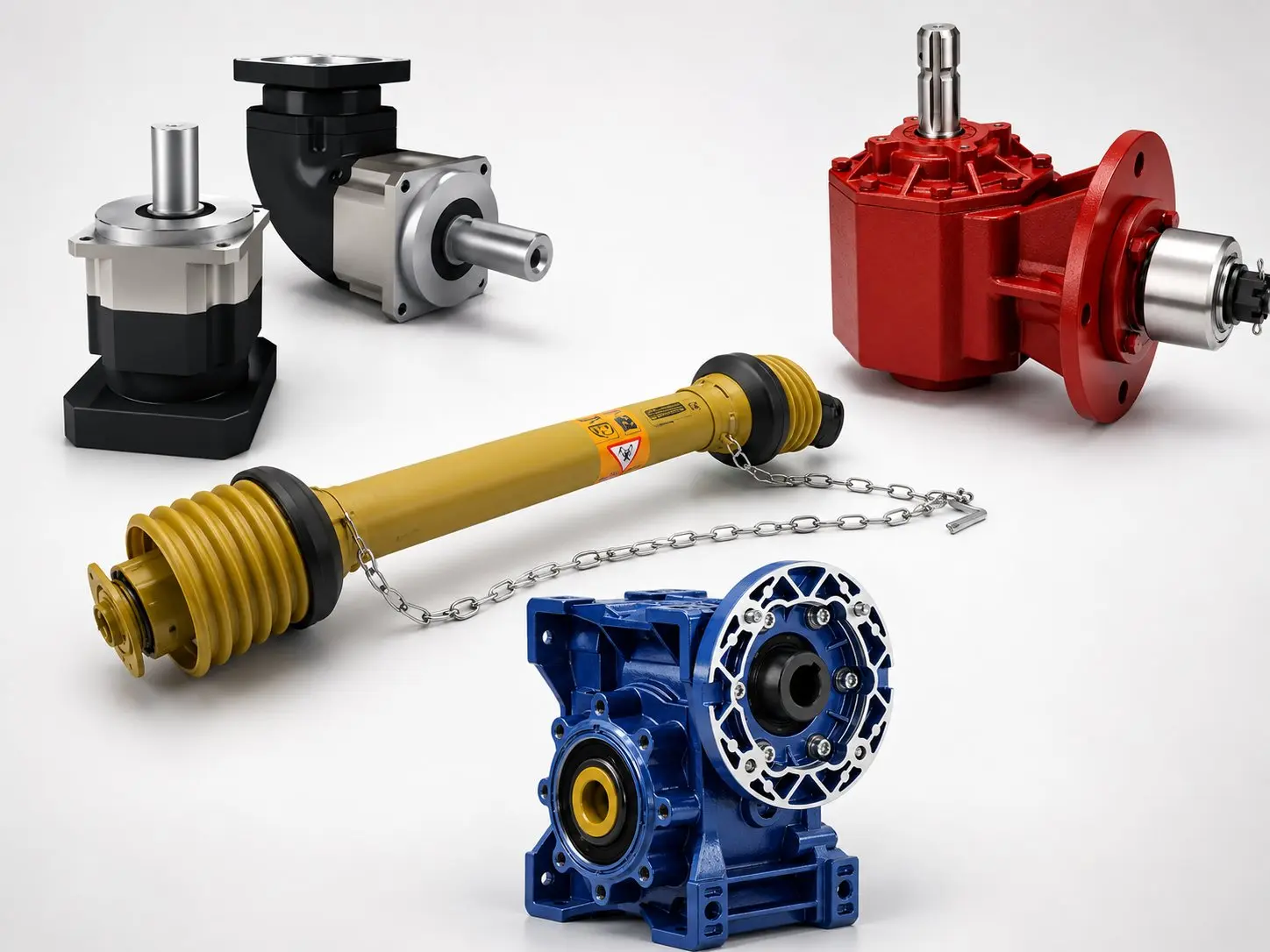
Korea Ever-Power EP series planetary gearbox range — EP-FAD EP-FADS EP-FAB for food and beverage Zone 1-5 applications with IP69K stainless 316L NSF H1 options

Browse the full EP series catalogue. For agricultural equipment with similar chemical-environment challenges: agriculturalgear-boxes.com. For related mechanical components: cvjointdriveshaft.com.

Related technical guides: For NSF H1 vs NYOGEL 792D lubricant background, see the NYOGEL vs CASTROL LMX lubricant selection guide on this site. For EP-FADS direct-insert geometry (eliminating adapter plate crevice for Zone 1 hygiene), see the EP-FADS vs EP-FAD guide. For backlash grade selection applicable to filling machine nozzle positioning accuracy, see the P0 vs P1 vs P2 grade selection guide.

Frequently Asked Questions — Food & Beverage Gearbox Specification

Is IP65 sufficient for a food factory if the gearbox is not near the washing area?
Possibly — but verify carefully. In Zone 4 and Zone 5 (outer packaging, utility areas), IP65 is typically adequate if the gearbox is not in the path of washdown equipment during cleaning cycles. The key question is not whether the gearbox is “near” the washing area — it is whether it can be reached by water spray during the cleaning operation, including overspray from cleaning adjacent equipment. Food factory cleaning teams are thorough: overspray from a Zone 2 washdown often reaches Zone 3 equipment. If there is any doubt, IP69K is the safer specification, and the cost difference between IP65 and IP69K is modest compared to the cost of a contamination event or a non-compliance finding during an audit. Ask your plant hygiene manager or food safety consultant to confirm the expected water exposure at the gearbox location during cleaning — that confirmation is the specification basis, not a general zone classification.
What NSF H1 lubricant does Korea Ever-Power use as the H1 option?
Korea Ever-Power’s NSF H1 lubricant option uses an NSF H1-registered synthetic grease in a viscosity class compatible with the EP-series gear design requirements. The specific grease formulation may change over time as NSF H1 product availability and quality evolves — confirm the current H1 lubricant specification and its NSF registration number with Korea Ever-Power at the time of order. The NSF registration number should be verified on the NSF White Book (www.nsf.org) before finalising the specification for a food contact zone installation. Korea Ever-Power provides the lubricant technical data sheet and NSF registration documentation with the order for H1-specified units. Note that NSF H1 lubricants typically have a narrower temperature range than NYOGEL 792D — confirm the H1 variant’s cold-start temperature if the installation is in a cold room or outdoor cold-climate environment.
Does the stainless steel housing change the gearbox dimensions or performance specifications?
Mounting dimensions and output shaft dimensions are identical between the aluminium and stainless 316L housing variants — the housing is a direct material substitution at the same machined geometry. Backlash grade, gear accuracy, rated torque, maximum speed, and design life are identical. The two differences that matter are weight and thermal conductivity. The stainless housing is approximately 2.5–3× heavier than the aluminium housing at the same size — for robot arm designs where arm weight is specified, this must be factored into the payload and inertia calculations. The lower thermal conductivity of 316L stainless (16 W/m·K) compared to aluminium (150 W/m·K) means the stainless housing retains more heat from gear mesh losses — at rated continuous operation, the stainless housing reaches a higher equilibrium temperature than the aluminium housing. For most food processing applications operating at partial load and with adequate ambient ventilation, this is not a concern; for high-speed continuous duty applications, confirm the stainless housing temperature budget with Korea Ever-Power.
Can the EP-series be used in a dairy processing CIP environment without stainless housing?
Not in a Zone where CIP chemicals directly contact the housing. Dairy CIP protocols typically use 2% NaOH at 80°C as the primary cleaning agent — this concentration and temperature is highly corrosive to aluminium. In a dairy Zone 1 or Zone 2 environment, standard aluminium housing will show visible corrosion within months of exposure to the CIP cycle, eventually producing surface pitting that harbours bacteria and generates aluminium contamination. For dairy Zone 1/2: stainless 316L housing is mandatory. For dairy Zone 3 where only water (not NaOH or HNO₃) directly contacts the gearbox housing: IP69K aluminium with a food-safe coating can be conditionally acceptable — verify with your dairy plant hygiene manager and food safety authority. For dairy Zone 4/5: standard aluminium IP65 is acceptable. If in doubt about zone classification in a dairy facility, assume Zone 2 and specify stainless 316L + IP69K — the hygiene specification cost is far lower than a recall or regulatory finding.
What documentation does Korea Ever-Power provide for food zone compliance?
For food zone EP-series units, Korea Ever-Power provides: (1) Material declaration for the housing (316L stainless steel certificate with grade confirmation and mill certificate if required); (2) NSF H1 lubricant registration documentation (NSF White Book reference number, lubricant TDS); (3) IP rating test record (individual unit pressure test for IP65 or IP69K, per-unit serial number); (4) Surface finish certificate for electropolished output shaft (Ra measurement report, ≤0.8 µm for EHEDG compliance); (5) Per-unit backlash measurement certificate (measured value stamped on nameplate, supporting IEC traceability for HACCP documentation); (6) RoHS declaration; (7) Incorporation Declaration for CE Machinery Directive technical file. This documentation package is provided within 5 business days of order confirmation. Food plant OEMs who require additional documentation for BRC, FSSC 22000, or SQF food safety management system audits should specify the required documentation set at the time of order.

Specify the Correct Food Zone Configuration for Your Application
Send your zone classification (EHEDG Zone 1–5 or describe the installation environment), required series and frame size, CIP exposure (chemicals and temperature), and NSF H1 requirement — Korea Ever-Power will confirm the correct configuration, provide a quote for standard and food-zone options, and supply the compliance documentation package. Response within one business day. For food plant OEMs who require HACCP-compatible documentation packages, BRC/FSSC 22000 supplier approval documentation, or ATP monitoring protocol support for gearbox cleaning validation, specify these requirements at the time of enquiry — Korea Ever-Power will confirm what documentation is available and the timeline for providing it.

Request Food Zone Specification →

Editor: Cxm