공학적 맥락
윤활유는 숨겨진 사양입니다 — 변속기 내부의 그리스가 대부분의 엔지니어들이 생각하는 것보다 훨씬 중요한 이유
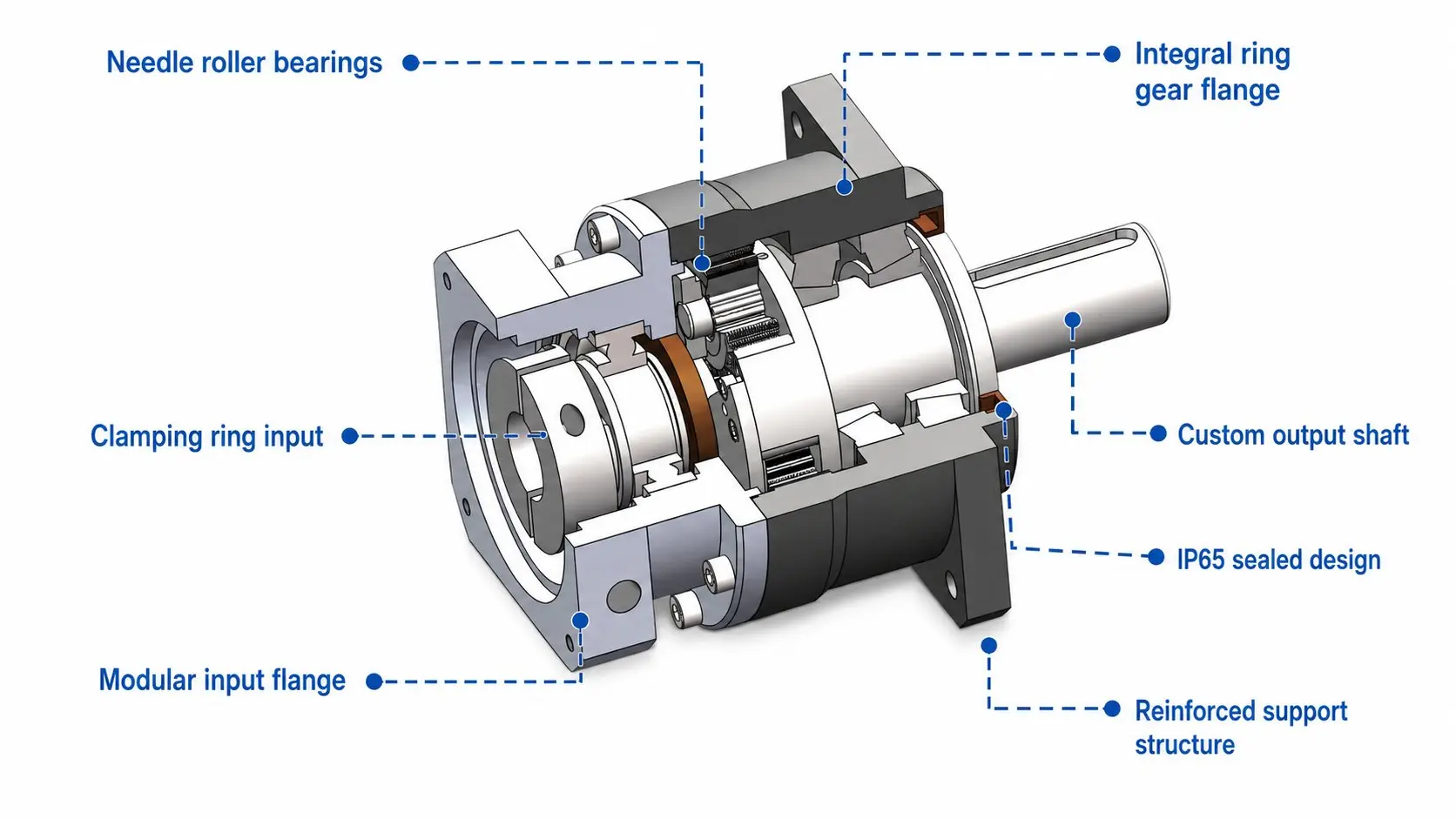
윤활유 적합성 매트릭스 — 어떤 적용 시나리오에 어떤 그리스를 사용해야 할까요?
아래 표는 8가지 적용 시나리오와 두 가지 윤활유 옵션을 각각 나타냅니다. ✓는 정상적인 조건에서 적합함을 의미합니다. ✗는 윤활유 고장, 오염 발생 또는 적용 분야와의 부적합성 등의 위험이 있어 적합하지 않음을 나타냅니다. ⚠는 조건부 적합성을 나타내며, 사용 전에 확인해야 할 주의사항이 있음을 의미합니다.
| 배포 시나리오 | NYOGEL 792D (정밀 시리즈 표준) |
캐스트롤 LMX (경제 시리즈 표준) |
H1 식품 등급 (사용자 지정 옵션) |
핵심 제약 조건 | 공학적 근거 |
|---|---|---|---|---|---|
| 표준 산업용 실내, 주변 온도 5°C~60°C |
✓ | ✓ | 필수 아님 | 없음 - 둘 다 온도 범위 내에 있음 | 주문한 시리즈에 포함된 윤활유를 사용하십시오. 일반적인 공장 자동화 환경에서는 윤활유 업그레이드가 필요하지 않습니다. |
| 추운 기후 / 야외 0°C 미만의 작동 온도 |
✓ | ✗ | 필수 아님 | 캐스트롤 LMX의 점도가 0°C 이하에서 과도하게 높아지면 냉간 시동 시 모터에 과부하가 걸립니다. | 저온 환경용 EP-FPG/FPGA: 주문 시 NYOGEL 792D 대체 옵션을 지정하십시오. NYOGEL은 연속 작동 시 -40°C, 시동 시 -50°C까지 사용 가능합니다. 정밀 시리즈(FAD/FAB): 표준 NYOGEL 사용 - 변경 필요 없음. |
| 고온 지역 기어박스 하우징 >90°C |
✓ | ⚠ | 필수 아님 | 캐스트롤 LMX의 연속 사용 한계 온도는 90°C입니다. 이 온도 이상에서 보관할 경우 에스테르 오일 산화 및 증점제 분해 위험이 있습니다. | NYOGEL 792D는 연속 사용 시 +125°C, 최대 사용 온도는 +150°C입니다. 고온 구동 장치(텐터 프레임, 건조 오븐 컨베이어)에는 NYOGEL을 대체하거나 EP-FAD로 업그레이드할 수 있는 EP-FPG를 권장합니다. CASTROL LMX를 지정하기 전에 하우징 온도를 확인하십시오. |
| ISO 5~6등급 클린룸 제약/반도체 |
✓ | ✗ | 필수 아님 (밀폐형) |
CASTROL LMX는 ISO Class 5 입자 방출에 대한 검증을 받지 않았습니다. NYOGEL 792D는 밀폐형 EP 시리즈 하우징에서 ISO Class 5의 무입자 방출에 대한 검증을 받았습니다. | 정밀 시리즈(FAD P0/P1, FADS P0)는 표준 NYOGEL 792D를 사용하여 밀폐된 환경에서 클린룸 입자 요구사항을 충족합니다. 경제 시리즈(FPG, CASTROL LMX 사용)는 윤활제 적격성 시험 없이는 ISO 5급 클린룸에서 사용해서는 안 됩니다. |
| 식품 가공 구역 우발적인 접촉 가능성 있음 |
⚠ | ⚠ | ✓ | NYOGEL 792D와 CASTROL LMX는 모두 NSF H1 등록을 받지 않았습니다. 식품과의 우발적인 접촉 가능성이 있는 경우 H1 등록이 필요합니다. | 두 그리스 모두 밀봉되어 있어 외부 그리스 주입구가 없고 재윤활이 필요 없습니다. IP 씰이 손상되지 않은 경우(EP 시리즈에 적용된 100% 테스트 결과), 윤활유와 식품의 접촉은 설계상 방지됩니다. H1 규격은 기어박스가 씰 손상 여부와 관계없이 규제 준수 요건에 따라 H1 규격 적용이 의무화된 지역에 있는 경우에만 필요합니다. H1 옵션 제공 여부에 대해서는 한국 에버파워에 문의하십시오. |
| 용제/화학물질 노출 인쇄, 그라비아, 제약 세척 |
✓ | ⚠ | 필수 아님 | 캐스트롤 LMX 에스테르계 기유는 강산이나 강알칼리와 장기간 접촉 시 가수분해될 수 있습니다. 톨루엔, 아세톤, MEK에 노출되면 손상된 IP 씰을 통해 에스테르계 기유가 희석될 수 있습니다. | NYOGEL 792D PAO(폴리알파올레핀) 베이스는 대부분의 산업용 용제에 대해 화학적으로 불활성입니다. 그라비아 인쇄(톨루엔/에틸아세테이트), 인쇄 블랭킷 세척(IPA, 나프타), 제약 CIP(NaOH, H₂O₂)에는 NYOGEL 792D 정밀 시리즈가 적합한 규격입니다. CASTROL LMX를 사용해야 하는 경우, 특정 세척 제형에 대한 화학적 호환성을 확인하십시오. |
| 염수/해양 분무 양식업, 해안 야외 |
✓ | ✓ | 필수 아님 | 두 그리스 모두 밀폐된 하우징에서 충분한 내수성을 갖습니다. 해수 온도가 0°C 미만인 경우 NYOGEL 792D를 사용하십시오. | IP65 밀폐형 하우징은 해수 유입을 방지하여 두 가지 그리스 모두를 보호합니다. CASTROL LMX 리튬 복합 증점제는 내수성(유화 방지)을 가지며, NYOGEL PAO 기유는 소수성입니다. 영하의 저온 해양 양식에는 NYOGEL이 필수적입니다. |
| 수술/멸균 영역 또는 ISO 클래스 5, 로봇 손목 |
✓ | ✗ | ⚠ | CASTROL LMX는 ISO Class 5/수술실 환경에 대해 검증되지 않았습니다. H1 인증은 격리 환경과 관계없이 무균 규정에서 NSF H1 라벨링을 의무화하는 경우에만 필요합니다. | 밀폐형 하우징에 NYOGEL 792D가 포함된 EP-FADS 및 EP-FAD는 ISO Class 5 입자 방출 검증을 완료했습니다. 수술 로봇 및 ISO 5 제약 클린룸에 사용됩니다. CASTROL LMX는 독립적인 입자 검증 없이는 수술 분야에 사용해서는 안 됩니다. |
윤활유 적합성 평가는 밀폐형 EP 시리즈 하우징 설계(모든 제품 IP65)와 정상 작동 조건에서 NYOGEL 792D 및 CASTROL LMX 윤활유의 명시된 물성을 기준으로 합니다. 실제 적합성은 하우징 온도, 화학 물질 농도 및 씰 무결성에 따라 달라지므로 특정 용도에 맞게 이 모든 사항을 확인해야 합니다. 특정 용도에 맞는 윤활유 관련 지침은 한국 에버파워 애플리케이션 엔지니어링팀에 문의하십시오.
기술 프로필
NYOGEL 792D와 CASTROL LMX - 전체 기술 사양 및 차이점
두 그리스의 서로 다른 특성, 그리고 이러한 특성이 변속기 성능에 중요한 이유를 이해하려면 두 그리스의 기유 및 증점제 화학 성분을 알아야 합니다. 다음 설명은 정보에 입각한 사용 결정을 내리는 데 필요한 수준으로 두 그리스를 설명합니다.
나란히 비교하는 기술 사양
EP 시리즈 기어박스의 기어 및 하우징 합금과의 재질 호환성 또한 이해해야 할 중요한 요소입니다. NYOGEL 792D와 CASTROL LMX는 모두 강철 기어 합금(EP-FAB/FAD는 침탄 및 표면 경화 처리, EP-FPG/FPGA는 전체 경화 처리), 알루미늄 합금 하우징, 그리고 동적 샤프트 씰에 사용되는 NBR 및 FKM 엘라스토머와 호환되도록 제조되었습니다. CASTROL LMX의 에스테르계 기유는 동일 점도의 PAO보다 윤활성(치면 접촉 시 유막 강도)이 약간 더 우수합니다. 이는 CASTROL LMX가 저속 고접촉 응력 조건의 경제형 기어박스에 적합한 이유 중 하나입니다. 경제형 기어박스에서는 기어 형상으로 인해 단위 면적당 치면 접촉 응력이 정밀형 기어박스의 미세 피치 DIN Class 5 기어보다 더 높습니다. NYOGEL 792D의 PAO 기반 오일은 더 넓은 온도 범위에서 우수한 엘라스토머 호환성을 제공합니다. PAO는 일부 에스테르 오일이 고온에서 NBR 씰에 발생시키는 엘라스토머의 팽창이나 수축을 유발하지 않으므로, NYOGEL 792D는 정격 온도 범위의 극한에서도 우수한 IP 씰 성능을 발휘합니다. 이러한 소재 호환성은 각 시리즈의 용도를 명확히 구분 짓습니다. NYOGEL은 DIN Class 5의 미세 피치 기어와 더 넓은 온도 범위에서 작동하는 정밀 시리즈에, CASTROL LMX는 일반적인 산업 온도 범위에서 작동하는 거친 피치 기어를 사용하는 경제형 시리즈에 사용됩니다.
| 재산 | NYOGEL 792D | 캐스트롤 LMX | 선택의 함의 |
|---|---|---|---|
| 최소 작동 온도 | -40°C | 0°C | 0°C 이하의 모든 적용 분야에는 NYOGEL 또는 FPG/FPGA 대신 사용할 수 있는 NYOGEL 대체 옵션이 필요합니다. |
| 최대 연속 온도 | +125°C | +90°C | 고온 환경(스텐터, 건조기): LMX 하우징 온도가 90°C 이하인지 확인하십시오. 그렇지 않을 경우, NYOGEL이 적용된 정밀 시리즈로 업그레이드하십시오. |
| -20°C에서의 점도 | 약 600 cSt (펌핑 가능 상태 유지) | 약 8,000~15,000 cSt (거의 고체) | 영하 20°C의 저온 시동 시, CASTROL LMX의 저항이 모터 시동 토크를 초과하면 인버터 과부하 트립이 발생할 수 있습니다. |
| ISO 5등급 클린룸 | ✓ 검증 완료 (봉인됨) | ✗ 검증되지 않음 | 제약, 반도체, 수술용 로봇: NYOGEL 제품 필수; 정밀 시리즈만 해당 |
| 내화학성 | 우수함 (PAO 불활성) | 양호함 (에스테르 가수분해 위험 있음) | 용매 함량이 높은 환경(그라비아 인쇄, 제약 세척): NYOGEL을 권장하며, CASTROL LMX는 대부분의 산업용 화학물질에 사용 가능합니다. |
| 방수 기능 | 탁월한 (소수성 PAO) | 좋음(리튬 복합체) | IP65 밀봉이 완벽한 경우 두 제품 모두 적합하지만, 미량의 침투가 발생할 경우 NYOGEL이 더 우수합니다. |
| NSF H1 식품 등급 | 아니요 (표준 제형) | 아니요 (표준 제형) | 규제 준수가 필요한 경우 두 시리즈 모두에 대해 H1 맞춤 옵션을 요청 시 사용할 수 있습니다. |
| 시리즈 과제 | 유행/유행/유행들/실패/실패 | FPG/FPGA | 주문 시 FPG/FPGA 대신 NYOGEL을 지정하여 사용할 수 있습니다. (저온 환경 옵션 참조) |
엔지니어링 심층 분석
캐스트롤 LMX가 0°C 이하에서 작동하지 않는 이유 — 저온 시동 물리학 설명
주문 가이드
EP-FPG/FPGA 규격에서 NYOGEL 792D를 언제, 어떻게 지정해야 할까요? - 저온 환경에서의 대체 옵션

선정 체크리스트
윤활유 선택 체크리스트 — 올바른 그리스 사양을 위한 다섯 가지 질문
대부분의 경우 윤활유 선택은 별도의 조치가 필요하지 않습니다. EP 시리즈의 기본 설정이 올바르기 때문입니다. 아래의 다섯 가지 질문은 기본 설정을 검토하거나 변경해야 하는 소수의 적용 분야를 파악하기 위한 것입니다. 각 윤활유의 한계 조건에 근접할 수 있는 환경에 있는 모든 EP 시리즈 기어박스에 대해 이 질문들을 하나씩 검토하십시오.
관련 EP 시리즈 및 기술 가이드
자주 묻는 질문 — EP 시리즈 윤활유 선택
편집자: Cxm